
Simple Ways to Reduce Noise at Home for a Calmer Space
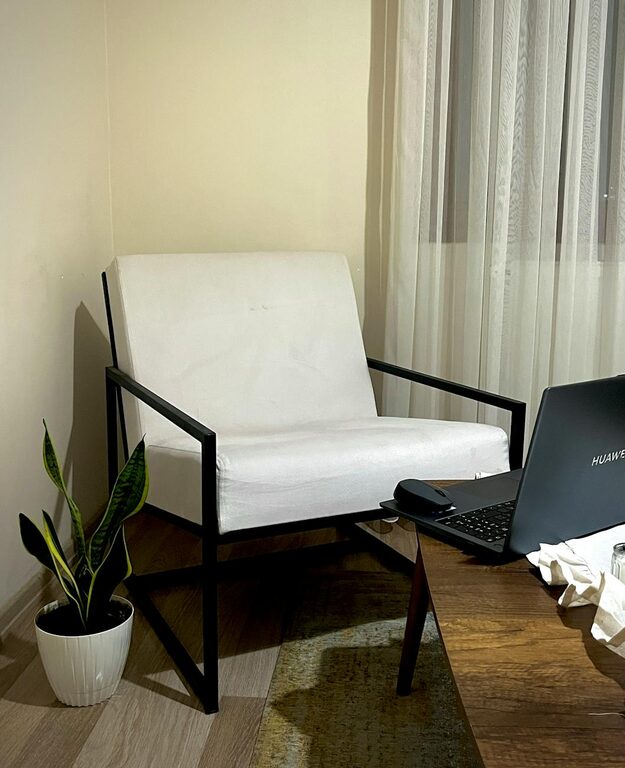
Creating a quiet and peaceful home environment can greatly improve your comfort and well-being. Whether you live in a busy city, have noisy neighbors, or just want to minimize everyday sounds, there are simple ways to reduce noise without a major renovation. In this post, we’ll explore practical, affordable strategies you can implement today to enjoy a calmer, quieter home.
Understanding Noise and Its Impact at Home
Noise is unwanted sound that can be distracting or stressful. It comes from many sources including traffic, neighbors, household appliances, and even conversations. Prolonged exposure to noise can affect sleep quality, concentration, and overall mood.
Reducing noise at home doesn’t always require professional soundproofing. Often, small adjustments and smart use of materials can make a significant difference. Let’s look at some effective methods to help you minimize noise and create a serene living space.
1. Seal Gaps and Cracks
One of the simplest ways to block unwanted noise is by sealing gaps around windows, doors, and walls.
– Use weatherstripping tape or foam strips around door frames to close gaps.
– Apply caulk around window edges and baseboards.
– Check for cracks in walls or floors and seal them with appropriate fillers.
These small fixes prevent sound from leaking into your home and improve insulation against outdoor noise.
2. Use Heavy Curtains or Drapes
Windows are a common entry point for sound, especially if you live near busy streets.
– Install thick, heavy curtains or soundproof drapes to help absorb noise.
– Consider blackout curtains, which often provide double layers.
– Ensure curtains cover the entire window and overlap the edges.
Heavy fabrics reduce echoes and block some external sounds, making your room quieter.
3. Add Rugs and Carpets
Hard floors reflect noise, increasing echoes and reverberation inside a room.
– Place large area rugs or carpets on tile, wood, or laminate floors.
– Use rug pads underneath to add extra cushioning and sound absorption.
– In multi-level homes, carpet runners on stairs also help reduce noise between floors.
Soft floor coverings absorb footsteps, voices, and other indoor sounds for a calmer space.
4. Bring in Soft Furnishings
Furniture and fabrics help break up sound waves inside a room.
– Opt for upholstered sofas and chairs instead of hard surfaces.
– Add cushions, throw pillows, and fabric-covered ottomans.
– Fill rooms with bookcases, shelves, or plants to act as sound buffers.
Soft furnishings reduce echo and noise reflection, improving acoustic comfort.
5. Install Door Sweeps and Soundproof Doors
Doors often allow noise to pass through the gaps beneath them.
– Add door sweeps or draft stoppers to block gaps at the bottom.
– Consider upgrading thin interior doors to solid-core models for better sound insulation.
– Installing weatherstripping around the door frame also helps.
These door modifications keep noise from entering or leaving rooms, especially bedrooms or home offices.
6. Use White Noise Machines or Fans
When complete silence isn’t possible, masking noises can improve comfort.
– A white noise machine produces consistent, soothing sounds that drown out background noise.
– Use fans or humidifiers that generate steady ambient noise.
– This method is especially helpful for reducing distractions while working or sleeping.
White noise helps create a buffer, making sudden sounds less noticeable.
7. Rearrange Your Furniture
Sometimes, the placement of your furniture can impact how sound travels in a room.
– Position larger furniture pieces against shared walls to act as noise barriers.
– Avoid placing seating directly facing noisy areas like doors or windows.
– Creating layers with furniture helps break up sound paths and improves quietness.
A thoughtful layout can contribute to a more peaceful home environment.
8. Consider Acoustic Panels or Wall Treatments
For those willing to invest a little more, acoustic panels can absorb sound effectively.
– Lightweight foam panels come in various designs and can be mounted on walls or ceilings.
– Decorative fabric panels offer both style and noise reduction.
– Wall hangings like tapestries or quilts also help soften room acoustics.
These treatments reduce echo and improve sound quality indoors.
Tips for Long-Term Noise Reduction
– Regularly maintain windows and doors to ensure tight seals.
– Choose quieter appliances and electronics when possible.
– Limit noisy activities during early mornings or late evenings.
– Communicate with neighbors politely about noise concerns.
Combining several of these strategies will help you create a quieter and more comfortable home over time.
—
Final Thoughts
Reducing noise at home doesn’t have to be complicated or expensive. By sealing gaps, adding soft furnishings, using heavy curtains, and applying simple DIY fixes, you can enjoy a noticeably quieter living space. Start with small changes and gradually enhance your home’s sound comfort for a calmer, more relaxing atmosphere.
Try these easy tips and enjoy the peace and quiet you deserve!